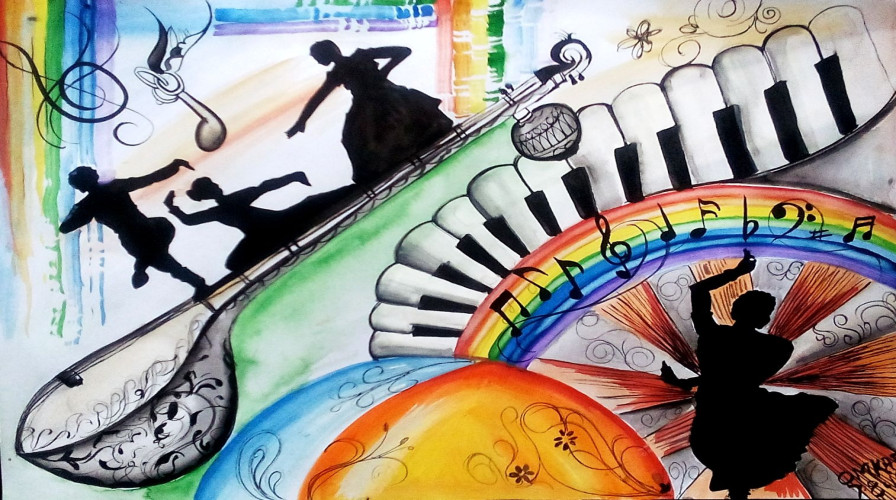
Embodied within the rhythms of music and the grace of dance are the vibrant expressions of cultural heritage. Across every corner of the globe, these art forms serve as powerful conduits for preserving traditions, celebrating rituals, and commemorating significant life events. We explore the rich tapestry of cultural diversity woven through the universal languages of music and dance.
Cultural Heritage and Tradition
Cultural heritage and tradition, as expressed through music and dance, form integral components of identity and continuity within communities worldwide. Here's a closer look at how these forms of artistic expression contribute to preserving and transmitting cultural heritage:
- Preservation of Cultural Identity: Music and dance serve as powerful vehicles for preserving and transmitting cultural identity. They embody historical narratives, social customs, and spiritual beliefs, acting as living repositories of a community's collective memory.
- Reflection of Social Values: Traditional music and dance often reflect the social values, norms, and beliefs of a community. They encode and communicate complex messages about kinship, spirituality, rites of passage, and societal roles.
- Transmission Across Generations: Intergenerational transmission of music and dance ensures the continuity of cultural knowledge and practices. Through oral traditions, apprenticeship, and community rituals, younger generations learn the repertoire, techniques, and meanings associated with these art forms.
- Celebration and Commemoration: Music and dance are central to celebrating and commemorating important events such as harvests, weddings, funerals, and religious ceremonies. They provide a medium for expressing joy, grief, solidarity, and spirituality within the context of cultural traditions.
- Adaptation and Innovation: While rooted in tradition, music and dance also evolve over time through adaptation and innovation. Communities may incorporate new influences, styles, and technologies while maintaining core elements that define their cultural heritage.
- Challenges and Conservation: Cultural heritage faces challenges such as globalization, urbanization, and cultural homogenization, which can threaten traditional practices and knowledge. Efforts to conserve and safeguard music and dance traditions involve documentation, education, community engagement, and policy support.
- Impact on Well-being: Beyond cultural significance, participation in music and dance can enhance individual and community well-being by promoting physical health, emotional expression, social cohesion, and a sense of belonging.
Celebration and Festivity
Celebration and festivity, infused with the rhythms of music and the grace of dance, embody the essence of human joy and cultural expression. Across cultures and throughout history, these vibrant forms of artistic celebration have served as vital conduits for communal bonding, spiritual connection, and the preservation of cultural identity. Join us as we explore the universal language of music and dance in the context of celebration and festivity, uncovering their roles in marking milestones, honoring traditions, and fostering shared experiences that transcend time and place.
Social Commentary and Resistance
Music and dance have long served as potent mediums for social commentary and resistance, echoing the voices of dissent and resilience within societies worldwide. From protest songs that articulate injustices to choreographed movements that challenge societal norms, these art forms illuminate the struggles, aspirations, and defiance of individuals and communities. This exploration delves into how music and dance converge as powerful tools of expression, shaping narratives of dissent, advocating for change, and inspiring movements towards justice and equality across cultures and generations.
Globalization and Fusion
In the era of globalization, music and dance have become dynamic agents of cultural fusion, where diverse traditions and influences converge to create new and innovative expressions. As borders blur and connections between cultures deepen, these art forms serve as bridges that transcend geographical boundaries, blending styles, rhythms, and techniques from around the world. This exploration delves into the transformative impact of globalization on music and dance, exploring how artists and communities navigate hybrid identities, innovate through collaboration, and celebrate the rich tapestry of global cultural exchange in our interconnected world. Join us as we uncover the evolving landscape where tradition meets innovation, and cultural boundaries dissolve in the pursuit of creative expression and unity. For instance, genres like jazz and hip-hop have evolved into global phenomena, drawing inspiration from a mosaic of musical traditions and experiences.
Personal Expression and Identity
Music and dance are not merely artistic expressions but profound reflections of personal identity and cultural heritage. Across civilizations and through the ages, these forms of creative expression have served as powerful tools for individuals to convey their deepest emotions, beliefs, and experiences. On an individual level, music and dance serve as powerful forms of personal expression and identity. They offer outlets for emotional release, self-discovery, and communication beyond words. Whether through improvisational jazz solos, expressive flamenco footwork, or lyrical storytelling in rap verses, artists draw upon their cultural backgrounds and life experiences to create authentic and meaningful art that resonates with audiences worldwide.
Conclusion
In conclusion, music and dance are not mere entertainment but essential components of human culture and identity. They transcend linguistic and cultural barriers, uniting people in shared experiences of joy, sorrow, celebration, and protest. As custodians of tradition and innovators of the future, musicians and dancers continue to shape the rhythms of life, preserving heritage, fostering understanding, and enriching the global cultural tapestry with their creativity and passion.
Related Tag :